In Mexico, the aroma of steaming tamales fills the streets and homes during celebrations and family gatherings. This humble dish, made of masa (corn dough) and a variety of fillings, is wrapped in a corn husk or banana leaf and steamed to perfection. But tamales are more than just a meal—they’re a connection to ancient traditions, stories, and flavors. Join us as we unwrap the fascinating history, cultural significance, and surprising versatility of tamales, a comfort food with roots as ancient as the civilizations that first created them.
A Dish Rooted in Ancient Civilization
Tamales have been a staple of Mexican cuisine for over 5,000 years, originating in the Mesoamerican cultures of the Aztecs, Mayans, and Olmecs. These civilizations relied heavily on maize, or corn, which was considered a sacred crop and central to their diet and way of life. Corn was revered not just as food but as a gift from the gods, and tamales, made from masa, became an integral part of religious rituals, celebrations, and daily meals.
For these early civilizations, tamales were a practical food. Portable, filling, and easy to store, they were often taken on long journeys, used as rations for soldiers, and offered as sacrifices in ceremonies. In Aztec culture, tamales were part of feasts that honored gods and celebrated victories. The variety of tamales was vast, with different ingredients, shapes, and flavors depending on the occasion. The tamales of the ancient world were far more diverse than what we see today, incorporating everything from beans and squash to meats and exotic fruits.
Wrapped in Tradition
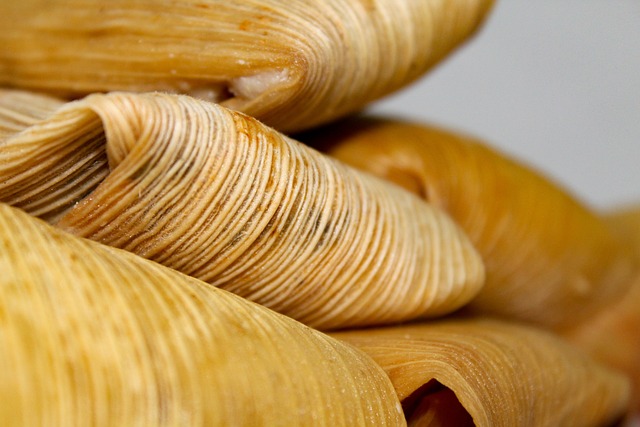
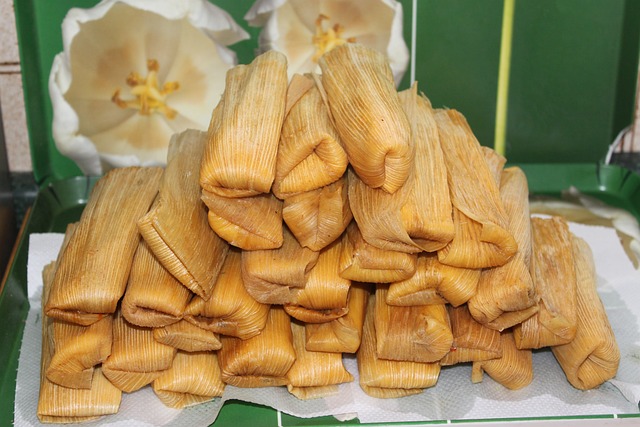
One of the most iconic aspects of tamales is the wrapper itself. Corn husks and banana leaves, used to encase the masa and filling, give tamales a distinct flavor and aroma. Corn husks are the traditional choice in central and northern Mexico, where corn is more abundant. The husks add an earthy taste to the tamales and help retain moisture during steaming. In southern regions of Mexico, such as Oaxaca and Chiapas, banana leaves are often used, lending a subtle, sweet fragrance to the tamales and a slightly different texture to the masa.
The process of wrapping tamales is an art in itself. Families often come together in a tamalada, or tamale-making party, where everyone has a role—spreading masa, adding fillings, folding, and wrapping. This communal preparation not only makes the labor-intensive process more enjoyable but also reinforces cultural bonds, as each family brings its own traditional recipes and methods. Tamales made during these gatherings are not just food; they are expressions of family heritage and identity, passed down through generations.
A Dish for Every Occasion
In Mexico, tamales are served for almost every major celebration, from Día de los Muertos (Day of the Dead) to Las Posadas during Christmas and even birthdays and weddings. But tamales also have special significance on Candlemas (Día de la Candelaria) on February 2nd. According to Mexican tradition, the person who finds the small plastic figurine of the baby Jesus hidden in their slice of Rosca de Reyes (a special bread eaten on January 6th) is responsible for hosting a tamale feast on Candlemas.
This connection to celebrations highlights the cultural importance of tamales as a dish that brings people together. Each region, and even each family, has its own traditional tamales for various events. In some parts of Mexico, tamales are specifically made for weddings, with special ingredients added for good luck. Others are made for harvest festivals, incorporating seasonal ingredients as a way of giving thanks for a bountiful crop.
The Many Faces of Tamales
One of the most fascinating aspects of tamales is their diversity. In Mexico alone, there are said to be hundreds of types of tamales, each with unique fillings, sauces, and wrapping methods. Here are a few notable varieties:
- Tamales de Rajas – Filled with strips of roasted green chilies and cheese, often with a dollop of salsa for extra flavor. These tamales are a popular choice for everyday meals and casual gatherings.
- Tamales de Mole – These tamales are stuffed with chicken or pork and topped with mole sauce, a complex, chocolate-infused sauce that adds richness and depth to the flavor. Mole tamales are especially popular in central Mexico.
- Tamales Dulces (Sweet Tamales) – Sweet tamales often include fillings like pineapple, cinnamon, or sweetened masa with raisins. They are often dyed in bright colors, adding a festive touch to any celebration.
- Oaxaqueños – Wrapped in banana leaves rather than corn husks, these tamales are common in southern Mexico and are known for their larger size and moist texture. They’re often filled with mole negro, a dark mole sauce, and chicken or pork.
- Uchepos – These are fresh corn tamales, made with tender corn kernels rather than masa, resulting in a sweeter, more delicate tamale. Uchepos are common in Michoacán and are typically served with cream and cheese.
The fillings and flavors of tamales vary not just by region but also by household. Families pride themselves on unique recipes, adding personal touches or secret ingredients that make their tamales distinct.
The Art and Patience of Making Tamales
Making tamales is a time-consuming process that requires patience and skill. The masa must be prepared to the right consistency, not too thick and not too thin, to ensure it holds together when steamed. It’s often whipped or kneaded to create a light, airy texture. Some cooks add lard to the masa, which gives it a fluffy quality and enhances the flavor. Once the masa is ready, it’s spread onto the husk or banana leaf, and the filling is added before wrapping.
The steaming process is equally crucial. Tamales must be arranged carefully in a steamer, allowing enough room for steam to circulate. If they’re packed too tightly, they may cook unevenly. Cooking tamales can take anywhere from one to three hours, depending on their size and ingredients. The reward, however, is a batch of tamales with a texture that’s moist and tender, with the flavors of the filling melding perfectly with the masa.
Tamales Beyond Mexico
Although tamales are quintessentially Mexican, variations of this dish can be found throughout Latin America, from guajolotas in Guatemala to humitas in Peru. Each country has its own twist, but the essence remains the same: a filling wrapped in masa and steamed in a leaf wrapper. This wide reach speaks to the cultural importance of tamales as a food of the Americas, a shared culinary heritage that connects people across borders.
In the United States, tamales have also found a home, particularly in states with large Mexican-American communities like Texas and California. Here, tamales are often enjoyed during the holiday season, with many families maintaining the tradition of the tamalada, bringing generations together to make tamales by hand.
Tamales are more than just a comfort food—they’re a testament to Mexico’s history, culture, and the resilience of its people. From ancient civilizations to modern celebrations, tamales have remained a beloved dish, bridging the gap between tradition and innovation. Each tamale carries a story, wrapped in a husk or leaf, waiting to be unwrapped and shared. Whether you’re enjoying them with family on a holiday or trying them for the first time, tamales offer a taste of Mexican heritage, reminding us of the beauty of tradition and the joy of coming together over food.
