
While tequila and mezcal are well-known Mexican spirits, there’s another ancient beverage that has held a revered place in Mexican culture for centuries: pulque. Known as the “drink of the gods,” pulque is a fermented beverage made from the sap of the agave plant, with origins dating back to pre-Hispanic times.
Article Sponsored By: Parking Lot Striping Tucson
Today, this ancient drink is experiencing a revival, as Mexicans and travelers alike rediscover its unique flavor and historical significance. Let’s explore the rich history of pulque, its traditional preparation, and how it has evolved from an ancient ritual drink to a popular staple in modern Mexican culture.

What is Pulque?
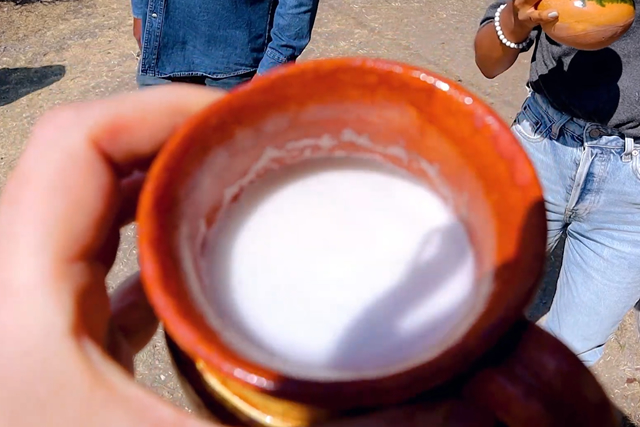
Pulque is a milky, slightly foamy drink with a unique, tangy taste that can be mildly sweet or earthy, depending on how it’s made. Unlike tequila or mezcal, which are distilled, pulque is fermented, giving it a lower alcohol content of around 3-8%. This makes pulque more of a refreshing beverage than a strong spirit, often enjoyed socially in pulquerías (pulque bars).
Pulque is made by extracting aguamiel (literally “honey water”) from the maguey plant, a type of agave. The sap is collected and left to ferment naturally, a process that gives pulque its characteristic flavor and slight effervescence. In its simplest form, pulque is unflavored, but in modern times it’s often mixed with fruits or other ingredients, resulting in a wide variety of flavors known as curados.
Ancient Origins: A Sacred Drink
Pulque has deep roots in Mesoamerican history, dating back at least 2,000 years to the Aztec, Maya, and Toltec civilizations. In these societies, pulque was more than just a drink—it was a sacred beverage reserved for religious ceremonies and special occasions. The Aztecs, in particular, revered pulque, considering it a gift from the gods. According to legend, it was discovered by a goddess who gave the knowledge of extracting aguamiel to humans, thus sharing the divine drink with mortals.
Because of its sacred status, pulque was usually reserved for priests, nobility, and warriors. Ordinary people were generally prohibited from consuming it except during special festivals. The drink was believed to have healing properties, and it was often used as a medicinal tonic. During ceremonies, pulque was offered to the gods, particularly to Mayahuel, the goddess of fertility and the maguey plant. The ritual consumption of pulque was an act of reverence, a way to honor the gods and invite blessings.
The Art of Making Pulque
The process of making pulque begins with the maguey plant, which takes anywhere from 8 to 12 years to mature. Once the plant is ready, the tlachiquero (a pulque maker) carefully cuts the central flower stalk, leaving a hollow cavity where the aguamiel collects. This cavity is scraped daily to stimulate sap production, and the sap is harvested by hand using a long gourd or container. Each maguey plant can produce up to several liters of aguamiel per day, a process that continues for several months.
Once collected, the aguamiel is left to ferment naturally in large vats. The fermentation process can take anywhere from a few hours to a few days, depending on the desired taste and strength of the pulque. Because it’s unfiltered and unpasteurized, pulque has a distinct texture, often described as viscous or slightly foamy, which can be surprising for first-time drinkers.
Traditional pulquerías take pride in the quality of their pulque, and some have been making it for generations. Many believe that the taste and quality of pulque depend not only on the maguey plant but also on the skill of the tlachiquero, whose techniques are passed down as a cherished family secret.
Pulque Varieties: Discovering Curados
While traditional pulque is enjoyed for its natural taste, the practice of making curados has become popular in modern pulquerías. Curados are flavored pulques, made by mixing fresh fruits, nuts, or herbs into the fermented aguamiel. This practice originated as a way to enhance the taste of pulque, which can be an acquired flavor due to its earthy and slightly sour profile.
Some popular curado flavors include:
- Mango – The tropical sweetness of mango pairs beautifully with the tangy base of pulque, creating a refreshing and fruity drink.
- Guava (Guayaba) – Guava adds a fragrant aroma and a delicate sweetness to the pulque, balancing the drink’s natural earthiness.
- Oats (Avena) – Oat-flavored pulque is creamy and smooth, with a mild sweetness that makes it a popular breakfast drink in some regions.
- Pineapple – Known for its refreshing acidity, pineapple adds a crisp, tangy note to pulque, making it a popular choice during warmer months.
- Almond (Almendra) – This version incorporates ground almonds, giving the pulque a nutty richness and creaminess.
Curados have broadened the appeal of pulque, introducing a new generation to this ancient drink. Each pulquería often has its own signature curado flavors, encouraging patrons to sample and find their favorite combinations.
Pulque’s Decline and Revival
Despite its historical significance, pulque’s popularity declined significantly in the 20th century, largely due to the rise of beer, tequila, and other beverages. The decline was also influenced by urbanization, as fewer people remained in rural areas where maguey was traditionally grown and harvested. Pulque was seen as old-fashioned, and younger generations began to favor modern drinks, causing many pulquerías to close.
In recent years, however, there has been a resurgence of interest in pulque, especially among young Mexicans who are eager to reconnect with their cultural heritage. Pulque is now celebrated as a symbol of indigenous tradition and Mexican identity. New pulquerías have opened in cities like Mexico City, Guadalajara, and Puebla, where locals and tourists alike can sample this historic drink in a lively, social atmosphere. Pulque festivals and events have also become popular, further boosting interest in this ancient beverage.
Pulque and Health: More Than Just a Drink
In addition to its cultural and historical importance, pulque is believed to have various health benefits. The fermentation process enriches the drink with probiotics, which are beneficial for digestive health. Pulque also contains vitamins like B12, C, and D, along with minerals such as iron and calcium. For centuries, it has been used as a natural remedy for digestive issues, respiratory ailments, and even as a nourishing drink for pregnant women.
While pulque should be consumed in moderation, its health benefits have contributed to its reputation as a “superfood” among those who seek natural and traditional wellness practices. Modern studies have begun to explore the health properties of pulque, and as interest in fermented foods grows worldwide, pulque has gained attention as a unique, culturally rich source of probiotics.
The Modern Pulquería Experience
Today’s pulquerías offer a glimpse into Mexico’s past while catering to a contemporary audience. Many of these establishments have preserved the old-world charm of traditional pulquerías, with colorful murals, rustic furniture, and an inviting, social atmosphere. Customers gather around tables, sharing drinks, stories, and laughter—a scene that has played out in Mexican communities for generations.
Pulquerías have become popular hangouts for young Mexicans, artists, and tourists who are curious about this historic drink. Some pulquerías host live music, art exhibitions, and poetry readings, making them vibrant cultural spaces where Mexican heritage is celebrated and shared.
Pulque, the “drink of the gods,” is more than just a beverage—it’s a living piece of Mexico’s history, a connection to indigenous traditions, and a symbol of resilience. From its origins in Mesoamerican rituals to its revival in modern-day pulquerías, pulque has survived centuries of change, carrying with it the stories and spirit of the people who first crafted it. Whether you’re drawn to its unique flavor, intrigued by its cultural significance, or simply curious to try something new, pulque offers an experience unlike any other.
As you sip on pulque, remember that you’re tasting a drink that has been shared by countless generations, from ancient Aztec priests to modern-day Mexicans reclaiming their heritage. Pulque is a celebration of Mexico’s past, present, and future—an ancient tradition reborn for a new era.
Thank you for visiting our site. We hope you are getting some good information here. If you have any comments or questions please contact us today. Do not forget to visit our sponsor, Tucson Parking Lot Striping.
