When we think of tacos, our minds often gravitate toward street vendors dishing out grilled meats wrapped in warm tortillas. But among the myriad of taco varieties, there’s one that stands out not for its sizzling preparation, but for its humble origins and unique way of being served: tacos de canasta, or “basket tacos.” These steamed, inexpensive tacos are a staple of Mexico City’s street food scene, but their history and method of preparation set them apart from the rest.
What Are Tacos de Canasta?
Tacos de canasta are unlike any other taco you’ll find. Typically filled with simple ingredients like potatoes, beans, or chicharrón (pork rinds), these tacos are prepared in advance and kept warm in a woven basket, where they steam until ready to eat. This method gives the tacos a soft, slightly soggy texture, which, while unusual, is beloved by taco aficionados for its nostalgic flavor.
The fillings themselves might seem basic, but there’s an art to achieving the perfect flavor. Tacos de canasta are meant to be enjoyed at their most tender and flavorful, after being softly steamed for hours. The filling’s simplicity is part of the appeal, letting the earthy flavors of the tortilla and the slight tang of the salsa shine through.
The Origin Story
The story of tacos de canasta begins in the rural regions surrounding Mexico City, where farmers and laborers needed a cheap and portable meal that could last throughout the day. Women would prepare these tacos early in the morning, stacking them in baskets wrapped in cloth to retain heat. By the time lunchtime rolled around, the tacos were perfectly steamed, offering a simple yet satisfying meal.
It wasn’t long before these tacos migrated to the capital, becoming a favorite for those needing a quick, inexpensive lunch. The simplicity of tacos de canasta made them popular with workers, students, and everyday citizens. In a city known for its bustling street food scene, tacos de canasta are an anomaly—they don’t require elaborate preparation or presentation, but they’ve become iconic in their own right.
Why the Basket?
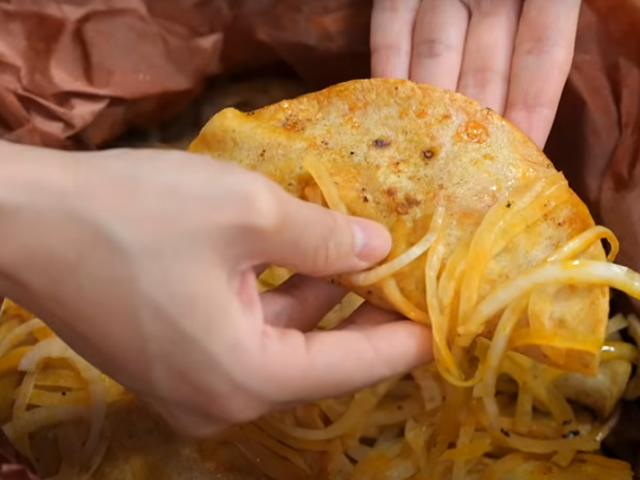
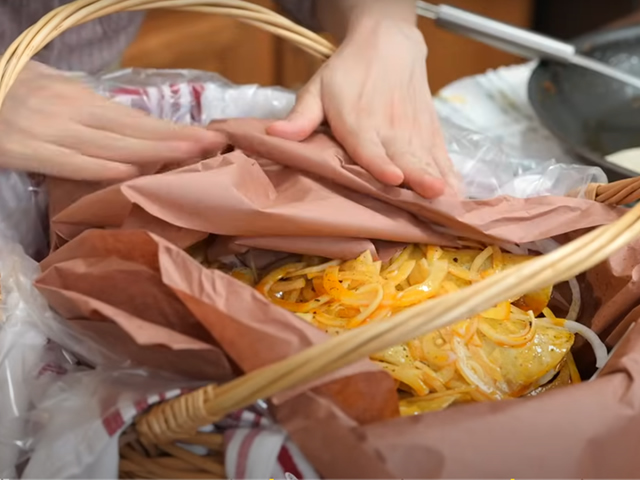
The key to tacos de canasta is, of course, the basket. The tacos are layered with onions and sometimes bathed in a thin layer of oil, which helps them steam as they sit. The basket itself is lined with a plastic bag or cloth to keep the heat in, making it the perfect portable container. It’s not uncommon to see vendors riding bikes with baskets full of tacos, serving customers from all walks of life.
These baskets, often seen slung across the shoulders of vendors, allow the tacos to steam slowly, giving them their unique, melt-in-your-mouth texture. In a bustling metropolis like Mexico City, this portability is key. Tacos de canasta are the ultimate “grab-and-go” meal, offering sustenance without the need for elaborate preparation.
Steamed to Perfection
One of the reasons tacos de canasta are so loved is because of their simplicity. Unlike the theatrics of grilling carne asada or frying fish, these tacos rely on the slow, gentle process of steaming to develop their flavor. The fillings, though simple, become rich and flavorful as they absorb the steam, while the tortilla softens to a melt-in-your-mouth texture.
While many types of tacos are celebrated for their bold flavors and crisp textures, tacos de canasta offer something different. The softness of the tortillas, paired with the smooth, flavorful fillings, makes them comfort food at its best. There’s something soothing about biting into a taco that has been gently steaming all morning—it’s as if the flavor has been building, waiting for that perfect moment.
The Difficulty Factor
While tacos de canasta may seem simple, achieving the perfect balance of steamed taco goodness is no small feat. The preparation process requires timing and patience—too little steaming, and the tortillas remain stiff; too much, and they become mushy. The trick lies in the art of layering and knowing when to serve them, ensuring that each taco is a warm, comforting bite.
One of the most challenging aspects of preparing tacos de canasta is controlling the steaming process. Too much heat can cause the tortillas to disintegrate, while too little means they won’t achieve the perfect texture. Experienced vendors often have their timing down to an art, using layers of cloth and plastic to trap the right amount of heat and steam the tacos for the perfect amount of time.
Another often overlooked challenge is the oil bath that is sometimes used to coat the tacos before steaming. The oil helps enhance the flavor and prevent the tacos from sticking together, but too much oil can make them overly greasy. This balance is key to the success of tacos de canasta, elevating them from a humble dish to a delicacy that’s cherished by taco lovers across Mexico.
A Street Food Icon
Today, tacos de canasta are a symbol of Mexico City’s vibrant street food culture. You’ll find vendors with their baskets stationed outside subway stations, busy intersections, and even office buildings, catering to hungry commuters looking for a quick and affordable meal.
What sets tacos de canasta apart from other street foods is their approachability. While tacos al pastor or carne asada might require a grill and a steady stream of sizzling meat, tacos de canasta can be prepared at home, in advance, and then sold on the go. This accessibility has made them a favorite for home cooks and street vendors alike.
Their legacy extends beyond the streets of Mexico City. In recent years, tacos de canasta have gained popularity in other parts of Mexico and even internationally, as chefs and food enthusiasts explore the depth of Mexican street food. Despite their simplicity, tacos de canasta have become an ambassador for Mexican culinary tradition, showing that even the most unassuming dishes can carry deep cultural significance.
Tacos de canasta may not have the flash of other Mexican street foods, but they’re a testament to the ingenuity and resourcefulness of Mexican cuisine. In their humble baskets, these tacos represent tradition, community, and the beauty of simple flavors done right. Whether you’re grabbing them from a bicycle vendor in Mexico City or trying to make them at home, tacos de canasta are a culinary journey back to Mexico’s rural roots, proving that sometimes the simplest dishes are the most satisfying.
