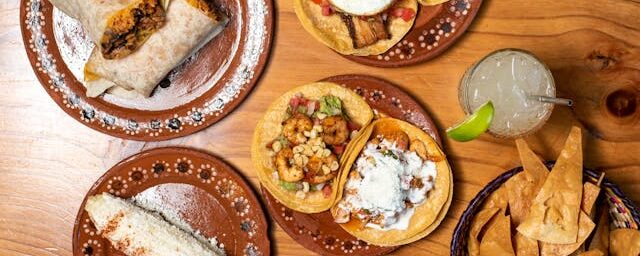
In the world of Mexican cuisine, the nopal cactus is both an icon and a staple. This prickly yet nutrient-rich plant has been cultivated in Mexico for thousands of years, valued for its resilience, versatility, and health benefits.
Article Sponsored By: Concrete Staining Kansas City
Today, nopales are enjoyed in various dishes across Mexico, from fresh salads to savory tacos, and are recognized as a true superfood. But nopales are more than just a trendy ingredient—they are a testament to the ingenuity of ancient Mexican culinary traditions. Let’s explore the rich history, cultural significance, and endless ways nopales have found their way from ancient kitchens to modern plates.

What Are Nopales?
Nopales are the edible pads of the prickly pear cactus, also known as Opuntia. The cactus thrives in Mexico’s arid landscapes, making it a sustainable food source well-suited to the country’s environment. Nopal pads are typically harvested when young and tender, then cleaned to remove the spines before being sliced, diced, or left whole, depending on how they’ll be prepared.
When cooked, nopales have a texture that’s often compared to okra, with a slightly slimy consistency and a mild, slightly tangy flavor. Their unique taste and texture make them a versatile ingredient that can be grilled, boiled, sautéed, or eaten raw. Nopales are also a nutritional powerhouse, packed with fiber, antioxidants, vitamins, and minerals that offer numerous health benefits.
Ancient Roots: A Pre-Hispanic Superfood
Nopales have been a staple in Mexican cuisine for over 10,000 years. The indigenous peoples of Mesoamerica, including the Aztecs, prized the cactus not only as a food source but also as a medicinal plant. It was considered a sacred plant in Aztec culture, symbolizing strength and endurance. The cactus even features in the Aztec myth of Tenochtitlan’s founding—an eagle perched on a cactus with a snake in its beak, a symbol that endures today on Mexico’s national flag.
For the Aztecs, nopales were a valuable resource, used not only for food but also for medicine, construction materials, and dyes. They believed that the cactus had healing properties, using it to treat burns, wounds, and digestive issues. The fruit of the cactus, known as tuna, was also a vital food source, providing a sweet, refreshing contrast to the savory nopal pads. In Aztec society, nopales symbolized resilience and adaptability, qualities that continue to define this remarkable plant.
How Nopales Are Prepared
Preparing nopales is a bit of an art. The pads are covered in tiny spines, which must be carefully removed before cooking. Traditionally, this is done with a small, sharp knife, scraping away the spines and trimming the edges. Once cleaned, the nopales are ready to be cut into strips, diced, or kept whole, depending on the recipe.
Boiling is a common method to cook nopales, as it reduces their sliminess. They are often boiled briefly, then rinsed to remove excess mucilage, leaving them tender and ready to add to salads or other dishes. Grilling is another popular method, which gives the nopales a smoky flavor and slightly crisp texture. Grilled nopales are often served whole or sliced, sometimes seasoned with a sprinkle of salt and lime juice for a simple yet flavorful snack.
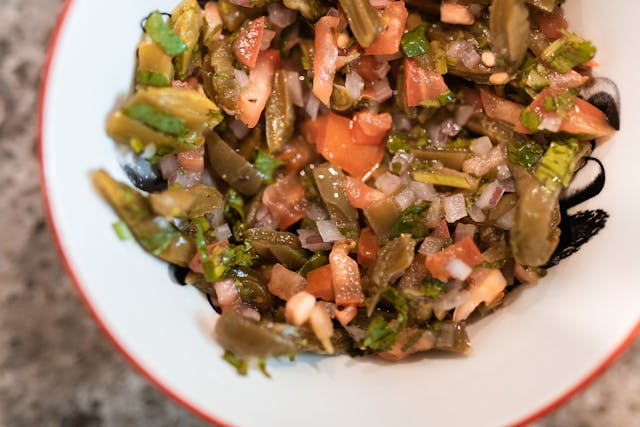
For raw preparations, nopales are often diced and tossed with tomatoes, onions, and cilantro to create a fresh, tangy ensalada de nopales (nopal salad). This dish is popular in central Mexico, where the tart flavor of raw nopales pairs beautifully with the freshness of other ingredients, creating a salad that’s both refreshing and packed with nutrients.
Nopales in Mexican Cuisine
Nopales are incredibly versatile, used in a wide array of traditional Mexican dishes. Here are a few classic ways nopales are enjoyed across Mexico:
- Ensalada de Nopales – A simple salad made with raw diced nopales, tomatoes, onions, cilantro, and lime juice. This dish is refreshing and light, perfect for a hot day or as a side to heartier dishes.
- Nopales con Huevo – A popular breakfast dish where nopales are sautéed with eggs, creating a protein-rich, filling meal. It’s often enjoyed with tortillas and salsa for a complete breakfast.
- Tacos de Nopales – In some regions, nopales are grilled or sautéed and then used as a filling for tacos, often topped with salsa, onions, and cilantro. These tacos are a vegetarian favorite, showcasing the flavor of the cactus in a classic Mexican street food style.
- Nopales Asados – Grilled nopales, usually seasoned and served with a wedge of lime. The grilling process brings out a smoky flavor, making this a popular side dish for barbecues.
- Sopa de Nopales – A comforting soup made with nopales, tomatoes, onions, and spices. This dish highlights the unique texture of nopales and is often served with a side of rice or tortillas.
- Nopales con Chile Rojo – Nopales are cooked with a rich, spicy red chili sauce, resulting in a savory, hearty dish that’s perfect for pairing with rice and beans.
Each of these dishes reflects the versatility of nopales, showing how they can be enjoyed in different forms, from fresh and tangy salads to warm, comforting soups. Nopales are an excellent ingredient for adding a unique flavor and texture to traditional Mexican dishes.
The Health Benefits of Nopales
Nopales are considered a superfood for a reason—they are packed with nutrients that support health in multiple ways. Rich in fiber, nopales are excellent for digestive health and can help regulate blood sugar levels, making them a beneficial food for people with diabetes. They’re also high in antioxidants, which help reduce inflammation and protect against chronic diseases.
Nopales are a good source of vitamins A, C, and K, as well as calcium, potassium, and magnesium. They’re naturally low in calories and carbohydrates, making them a filling, nutritious option for those looking to eat healthily. The high fiber content of nopales also contributes to heart health by helping to lower cholesterol levels.
In traditional Mexican medicine, nopales are used to treat a variety of ailments, from minor cuts and burns to digestive discomfort. Their health benefits have gained recognition beyond Mexico, and nopales are now appreciated worldwide as a functional food that promotes wellness.
Nopales in Modern Mexican Cuisine
With the rise of farm-to-table and plant-based dining, nopales have found new popularity in modern Mexican cuisine. Chefs across Mexico and internationally are experimenting with this ancient ingredient, creating innovative dishes that incorporate nopales in new ways. From nopales ceviche to cactus-based sauces, modern chefs are reimagining nopales, bringing their unique flavor to a broader audience.
In Mexico City, high-end restaurants have begun to feature nopales as a central ingredient, presenting them in refined dishes that showcase their versatility. Some chefs serve nopales raw in gourmet salads, while others use them as a unique garnish on traditional dishes, adding a touch of authenticity and a burst of flavor. The mild taste and vibrant green color of nopales make them an attractive addition to contemporary plates, bridging the gap between ancient tradition and modern culinary trends.
Nopales Around the World
Though nopales are deeply rooted in Mexican cuisine, they’ve gained popularity internationally as a unique and sustainable food source. The adaptability of the cactus plant has led to its cultivation in various parts of the world, including the United States, Italy, and parts of Africa, where it’s valued not only as a food crop but also for its environmental benefits, such as soil conservation and water retention.
In the United States, nopales are becoming more widely available, especially in regions with large Mexican-American communities. They’re celebrated for their nutritional value, and health-conscious eaters are starting to embrace nopales as an alternative to more conventional vegetables. Whether eaten as a side dish, incorporated into salads, or used as a topping for tacos, nopales are introducing international audiences to the flavors and traditions of Mexican cuisine.
Nopales are more than just a cactus—they’re a culinary symbol of resilience, tradition, and versatility in Mexican cuisine. From ancient civilizations to modern kitchens, nopales have remained a beloved ingredient, celebrated for their unique taste, health benefits, and sustainable cultivation. Whether you’re trying them in a fresh salad, a spicy soup, or simply grilled with a squeeze of lime, nopales offer a delicious way to experience Mexico’s rich culinary heritage.
As nopales continue to gain recognition around the world, they remind us of the timeless appeal of Mexican food and the beauty of ingredients rooted in tradition. The next time you enjoy a dish featuring nopales, you’re not only savoring a unique flavor but also connecting with thousands of years of Mexican history and culture.
We are glad you are visiting our site. We hope you are finding some great Mexican food ideas here at our site. If you have any questions please reach out to us today, and don’t forget to visit our sponsor: Kansas City Concrete Staining.
