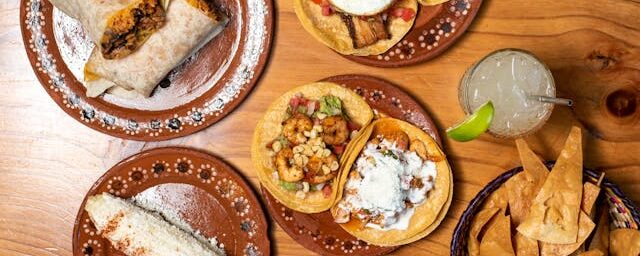
Barbacoa is one of Mexico’s most deeply rooted culinary traditions, steeped in history, regional pride, and cultural celebration. This dish, which centers around slow-cooked meat that falls apart at the touch, is more than a meal—it’s a ritual. Found at family gatherings, weekend markets, and special celebrations across Mexico, barbacoa brings people together over centuries-old cooking techniques and bold, earthy flavors. In this article, we explore the origins, variations, and cultural significance of this beloved dish and how it continues to evolve while honoring its ancestral roots.
Article Sponsor: Parking Lot Striping Las Vegas
The Ancient Origins of Barbacoa
The word “barbacoa” originates from the Taíno people of the Caribbean and refers to a method of cooking meat over an open fire or in a pit covered with leaves. This technique was adopted and adapted by pre-Hispanic civilizations in Mexico, most notably the Aztecs and Mayans, who used underground ovens—known as píib in the Yucatán or barbacoa de hoyo in central Mexico—to cook meat slowly and evenly over hours.
Originally, indigenous people would use native animals such as deer, wild boar, or turkey. After Spanish colonization introduced domesticated livestock like sheep, goats, and cattle, barbacoa recipes evolved to include these meats—particularly lamb and beef in central Mexico, and goat in the north.

The Technique: Pit Cooking and Patience
What sets barbacoa apart from other meat dishes is its traditional preparation method. In rural areas, the meat is typically marinated in a blend of dried chilies, garlic, cumin, bay leaves, and other herbs, then wrapped in agave leaves and placed in a pit oven lined with hot stones. The pit is covered and sealed, allowing the meat to cook low and slow for up to 12 hours.
This method allows the meat to retain its juices and absorb the smoky, earthy flavors of the pit and agave. The result is exceptionally tender meat that can be easily shredded and enjoyed in tacos, tortas, or simply with a side of consommé—an intensely flavorful broth made from the drippings collected during the cooking process.
In modern urban settings where traditional pit cooking is less accessible, barbacoa is often prepared using stovetop pressure cookers, slow cookers, or ovens. While these methods may differ from the ancient practice, the goal remains the same: fall-apart tender meat infused with deep, rich flavor.
Regional Varieties of Barbacoa
Barbacoa is not a one-size-fits-all dish. It varies significantly from region to region, each area putting its own twist on the ingredients and cooking methods:
- Central Mexico (Hidalgo, State of Mexico, Puebla): Perhaps the most iconic version, this barbacoa typically uses lamb and is cooked in an underground pit with maguey leaves. It’s often served with consommé and fresh tortillas.
- Northern Mexico (Nuevo León, Coahuila): Goat barbacoa, often referred to as cabrito, is more common here, typically roasted rather than pit-cooked.
- Southern Mexico (Yucatán): Known as cochinita pibil, this regional cousin uses pork marinated in achiote paste and sour orange juice, then cooked in a píib. While not technically “barbacoa,” the technique and cultural significance are closely related.
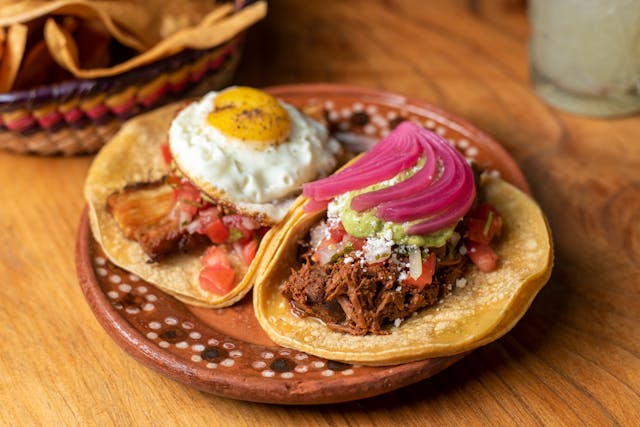
- Baja California and Border Regions: Beef barbacoa is common in northern and border towns, where it is frequently served in tacos with pickled red onions and salsa roja.
Each variation reflects the ingredients available in the region and the cultural influences—whether indigenous or colonial—that have shaped local food traditions.
The Role of Barbacoa in Mexican Culture
Barbacoa is more than just food; it’s an experience tied to family, community, and celebration. In many parts of Mexico, weekends are reserved for barbacoa. Families will wake up early on Sundays to visit their favorite local vendors or markets to enjoy freshly prepared barbacoa, often accompanied by a bowl of consommé, warm tortillas, lime, chopped onion, and salsa.
It is also a dish closely associated with milestones—birthdays, baptisms, weddings, and religious holidays often feature barbacoa as the centerpiece. The process of cooking it—especially when using the traditional pit method—requires collaboration, making it a communal event where stories are shared as the food slowly cooks.
For many Mexican families living abroad, barbacoa serves as a culinary connection to home. Recreating the dish, even in modern kitchen settings, helps preserve cultural identity and maintain traditions that might otherwise be lost.
Barbacoa in Modern Cuisine
While traditional barbacoa remains a weekend staple in many parts of Mexico, it has also gained international attention and evolved within contemporary culinary contexts. Food trucks, upscale Mexican restaurants, and fusion kitchens across the U.S. and beyond have adopted barbacoa as a key dish.
Chefs are experimenting with new marinades, using different cuts of meat, or offering plant-based versions using jackfruit or mushrooms to mimic the texture of slow-cooked meat. Some even serve barbacoa on top of nachos, stuffed into burritos, or layered in grain bowls—proof of its versatility and broad appeal.
Despite these innovations, the essence of barbacoa remains unchanged: it’s a celebration of slow cooking, robust flavors, and a deep respect for tradition.
A Culinary Symbol of Mexico
Barbacoa stands as one of the most enduring dishes in Mexican cuisine—a symbol of patience, tradition, and togetherness. Whether enjoyed on a quiet Sunday morning at a roadside stand in Hidalgo or at a trendy food truck in Los Angeles, barbacoa carries the soul of Mexico in every bite. It honors the land, the ancestors, and the rituals that have brought people together for centuries. As it continues to adapt and grow in popularity, barbacoa reminds us that the heart of Mexican cooking lies not just in ingredients, but in the stories, customs, and communities that bring them to life.
Thank you for visiting our blog. We hope you are enjoying our articles. If you have any comments or questions please contact us today. We also ask that you visit our sponsor Las Vegas Line Striping.
