
If you’ve ever attended a Mexican celebration, especially during the winter holidays or on Mexican Independence Day, chances are you’ve encountered a steaming bowl of pozole. This traditional stew, made with hominy and tender meat, is as comforting as it is flavorful, deeply rooted in Mexican history and culture.
This Article Sponsored By: Parking Lot Striping Texarkana
With its rich broth, aromatic spices, and vibrant toppings, pozole is a dish that has been shared and cherished for generations. Let’s dive into the origins, variations, and cultural significance of pozole, exploring why this hearty stew has become one of Mexico’s most beloved dishes.
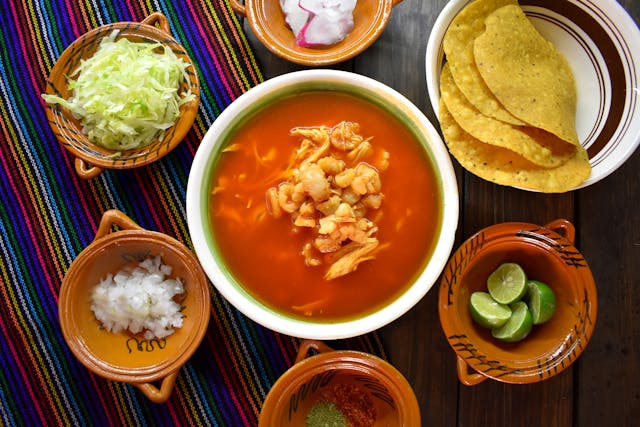
What is Pozole?
Pozole (pronounced poh-SO-lay) is a hominy-based stew traditionally made with pork or chicken and flavored with a rich, spiced broth. Hominy, the key ingredient, is dried corn that has been treated with lime (nixtamalized), a process that softens the kernels and makes them easier to digest. The resulting stew is hearty and satisfying, often served with a variety of toppings that add texture and flavor, such as shredded lettuce, sliced radishes, diced onions, lime wedges, and a sprinkle of dried oregano.
The dish comes in three main varieties, each with a distinctive color and flavor: pozole rojo (red pozole), pozole verde (green pozole), and pozole blanco (white pozole). Each variation reflects the regional influences and preferences of different parts of Mexico, but all share the same comforting essence that makes pozole a favorite for family gatherings, holidays, and special occasions.
Ancient Origins: A Sacred Dish
Pozole has a fascinating origin story that dates back to pre-Hispanic times. The dish was first prepared by indigenous civilizations, including the Aztecs, who considered maize (corn) to be a sacred crop. According to ancient beliefs, maize was a divine gift from the gods, and as such, it held a central place in both diet and ritual. Pozole, as a maize-based dish, was often reserved for important ceremonies and religious events.
In its earliest form, pozole was a ceremonial meal, often prepared for large gatherings and used as an offering to the gods. The Aztecs believed that humans were created from maize, and consuming the dish was a way to honor that connection. Although the recipe has evolved over the centuries, pozole retains a sense of reverence, especially when shared during holidays and festivals.
The Evolution of Pozole: From Ritual to Everyday Delight
With the arrival of the Spanish in the 16th century, Mexican cuisine began to change, as new ingredients and culinary influences were introduced. Pork, which had been brought by the Spanish, eventually became the preferred meat for pozole, replacing traditional proteins. Over time, pozole transformed from a ceremonial dish into an everyday comfort food, though it continued to hold a special place in the hearts of Mexicans.
Today, pozole is enjoyed not only on special occasions but also as a comforting meal that brings people together. Families gather around steaming bowls of pozole on Independence Day, New Year’s Eve, and other festivities, celebrating the dish’s rich history and the sense of togetherness it fosters.

The Three Types of Pozole
One of the fascinating aspects of pozole is its variety. Each type of pozole has a unique color and flavor profile, influenced by regional preferences and local ingredients.
- Pozole Rojo (Red Pozole) – This version is popular in the states of Jalisco, Michoacán, and Oaxaca. It gets its deep red color from dried chilies, such as guajillo or ancho, which are soaked and blended to create a rich, smoky broth. Pozole rojo is often served with pork, but chicken can also be used. The chili-based broth gives the dish a bold, spicy flavor, making it a favorite for those who enjoy a bit of heat.
- Pozole Verde (Green Pozole) – This variation hails from the state of Guerrero and is known for its fresh, green hue, which comes from a blend of green chilies, cilantro, tomatillos, and sometimes pumpkin seeds. Pozole verde is typically made with chicken and has a lighter, tangier flavor compared to pozole rojo. The addition of fresh herbs and tomatillos gives the dish a bright, almost citrusy taste that balances beautifully with the hearty hominy and meat.
- Pozole Blanco (White Pozole) – Considered the most traditional version, pozole blanco is made without any added chilies or herbs, resulting in a clear, broth-based stew. This version, popular in central Mexico, focuses on the natural flavors of the pork and hominy. The simplicity of pozole blanco allows diners to customize it with toppings, adding spices, lime, and salsa to suit their taste.
These variations showcase the diversity of Mexican cuisine, demonstrating how a single dish can be adapted to reflect different regional tastes and preferences. Each type of pozole has its own loyal fan base, and some families even serve multiple versions during large gatherings, allowing guests to experience the full range of flavors.
The Art of Toppings: Customizing Your Pozole
One of the most enjoyable aspects of eating pozole is the customization. Each bowl is a blank canvas, and diners can add their preferred toppings to create a unique flavor experience. Here are some popular pozole toppings:
- Shredded lettuce or cabbage – Adds a refreshing crunch and helps balance the richness of the broth.
- Sliced radishes – These provide a peppery bite and vibrant color.
- Diced onions – A touch of raw onion adds sharpness to each spoonful.
- Lime wedges – Squeezing fresh lime over pozole brightens the flavors and enhances the broth’s tanginess.
- Dried oregano and crushed red pepper – Sprinkling oregano or chili flakes over pozole adds an aromatic, earthy flavor and a bit of extra heat.
- Avocado slices – Though less traditional, avocado adds creaminess and a mild flavor that complements the spice.
These toppings are more than just garnishes—they’re an integral part of the pozole experience, adding layers of flavor and texture. The act of topping one’s pozole is almost ritualistic, with each diner personalizing their bowl to create a perfect balance of tastes.
The Cultural Significance of Pozole Today
In modern Mexico, pozole is a symbol of community and celebration. Families and friends come together over large pots of pozole, especially during major holidays like Mexican Independence Day (September 16) and New Year’s Eve. Many families have their own recipes, passed down through generations, and preparing pozole can be a full-day affair, with family members taking on different roles in the kitchen.
Pozole has also gained popularity beyond Mexico, with restaurants in the United States and other countries adding it to their menus. Mexican-American communities, in particular, have embraced pozole as a way to stay connected to their cultural heritage. The dish’s popularity reflects not only its delicious taste but also the pride that Mexicans have in their culinary traditions.
Pozole’s Health Benefits
Pozole isn’t just a comforting, hearty meal—it also offers several health benefits. Hominy, the primary ingredient, is rich in fiber, which aids digestion and helps keep you feeling full. It also contains vitamins B and C, along with minerals like magnesium and iron. The nixtamalization process used to make hominy increases its nutritional content, making it easier for the body to absorb nutrients.
Pork or chicken provides a good source of protein, while the addition of fresh vegetables as toppings boosts the dish’s vitamin content. Although pozole is a hearty meal, it can be a nutritious choice when prepared with fresh ingredients and moderate amounts of seasoning.
Pozole is more than just a stew—it’s a cherished part of Mexican culture, a dish that embodies tradition, community, and history. From its roots in ancient Mesoamerican rituals to its place in today’s holiday feasts, pozole has endured as a comforting and celebratory meal that brings people together. Whether you’re savoring a spicy bowl of pozole rojo, a tangy pozole verde, or a simple pozole blanco, each spoonful is a taste of Mexico’s rich culinary heritage.
So next time you enjoy pozole, remember that you’re partaking in a tradition that has warmed hearts and souls for centuries. With its layers of flavor, customizable toppings, and hearty hominy base, pozole is a dish that connects generations, celebrates culture, and offers comfort with every bite.
We are glad you are here reading through our site. It kind of makes you hungry doesn’t it? If you have any comments or questions we would love to hear from you today. Reach out and let us know what is on your mind. We also ask that you remember to visit our sponsor: Texarkana Parking Lot Striping.
